The Right Way of Waterproofing: A Complete Guide for Long-Lasting Protection
The Right Way of Waterproofing: A Complete Guide for Long-Lasting Protection
Water leakage is one of the most common and costly problems faced by homeowners and builders in India. Damp walls, peeling paint, structural damage, and fungal growth are all signs of improper or failed waterproofing. The truth is—waterproofing is not just about applying a coating; it is a scientific process.
In this blog, we explain the right way of waterproofing, common mistakes to avoid, and how proper waterproofing can save money and extend the life of your building.
Why Waterproofing Is Essential for Every Building
Waterproofing protects a structure from water ingress, moisture penetration, and long-term deterioration. Whether it’s a terrace, bathroom, basement, balcony, or swimming pool, water can silently weaken concrete and steel if not treated correctly.
Benefits of proper waterproofing:
-
Prevents seepage, leakage, and dampness
-
Increases building life and structural strength
-
Protects interiors, paint, and furnishings
-
Reduces maintenance and repair costs
-
Improves indoor air quality by stopping mold and fungus
Common Waterproofing Mistakes You Must Avoid
Many failures happen not because of bad products, but because of the wrong method.
❌ Applying waterproofing on an unclean surface
❌ Ignoring cracks and joints before coating
❌ Using the same waterproofing method everywhere
❌ No curing time between coats
❌ Choosing low-quality or non-compatible materials
The Right Way of Waterproofing – Step by Step
1. Surface Inspection & Preparation
This is the most critical stage. The surface must be:
-
Clean, dust-free, and oil-free
-
Checked for cracks, honeycombs, and loose plaster
-
Properly sloped for drainage (especially terraces & balconies)
👉 Tip: 70% of waterproofing failures occur due to poor surface preparation.
2. Crack Filling & Repair
All cracks, joints, pipe entries, and corners must be treated using:
-
Polymer-modified repair mortar
-
Crack fillers or waterproof putty
-
Fillet treatment at wall–floor junctions
This ensures there are no weak points for water entry.
3. Application of Base Coat / Primer
A base coat or primer:
-
Improves adhesion of the waterproofing layer
-
Seals micro-pores in concrete
-
Acts as a bonding bridge
Different systems use different primers—cementitious, acrylic, PU, or bituminous.
4. Selection of the Right Waterproofing System
There is no one-size-fits-all waterproofing solution.
| Area | Recommended Waterproofing |
|---|---|
| Terrace | Cementitious / Acrylic / PU systems |
| Bathroom & Sunken Area | Flexible cementitious coating |
| Basement | Membrane + negative side waterproofing |
| Balcony | Elastomeric waterproof coating |
| Swimming Pool | PU or specialized pool-grade systems |
Choosing the right system is key for long-term performance.
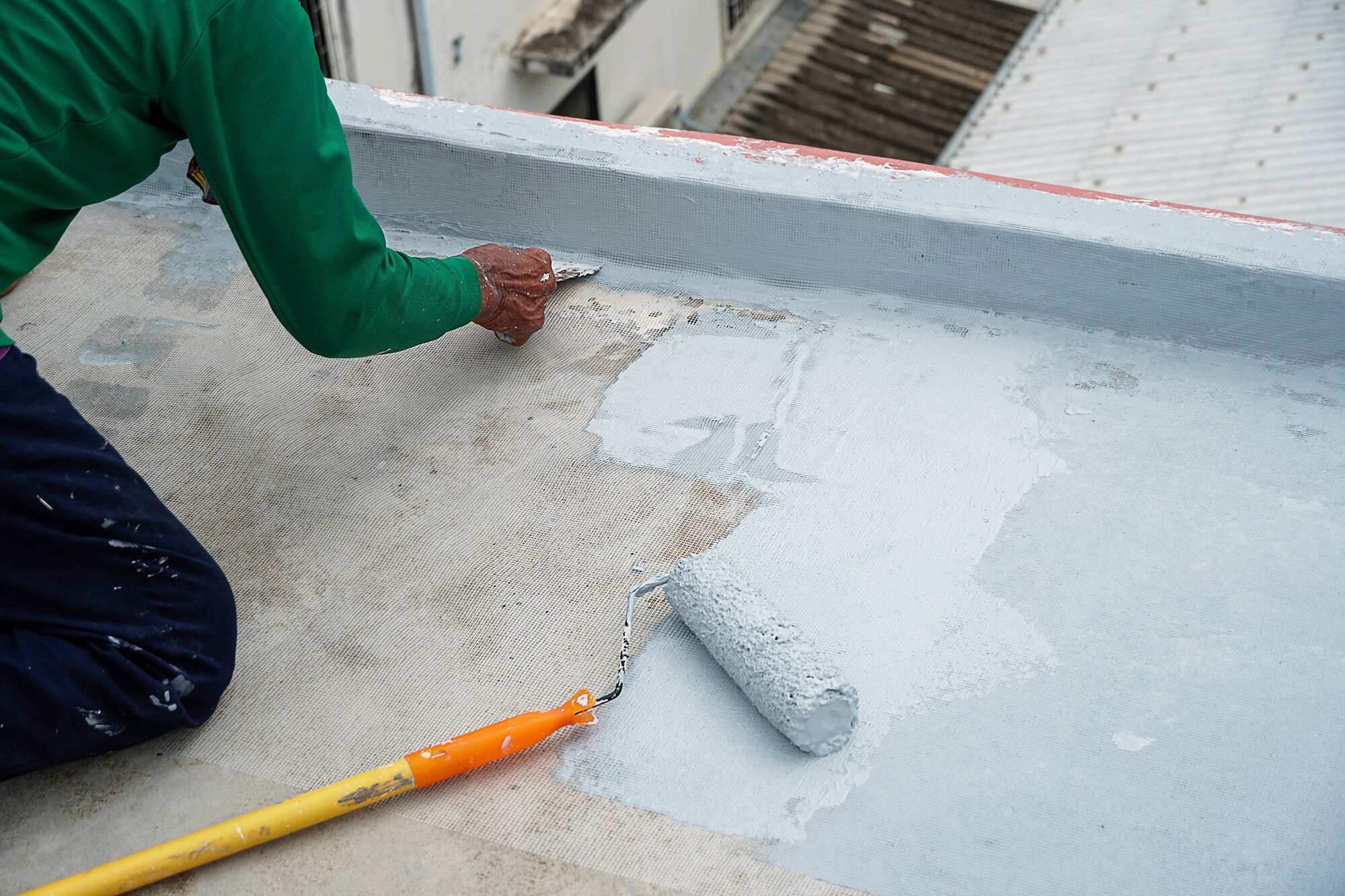
5. Application of Waterproofing Coats
-
Apply in multiple coats as per specification
-
Maintain recommended thickness
-
Allow proper drying time between coats
-
Use brush, roller, or spray as advised
👉 Scientific application = Zero leakage
6. Curing & Protection
Curing allows the waterproofing layer to gain strength.
-
Protect the surface from foot traffic
-
Avoid water stagnation during curing
-
Carry out flood testing (where required)
Why Professional Waterproofing Matters
DIY or unskilled application may look economical but often leads to failure within months. A professional waterproofing system is:
-
Scientifically designed
-
Tested for durability
-
Backed by application expertise and warranty
SEO Keywords Used (Naturally Embedded)
-
Waterproofing solutions in India
-
Terrace waterproofing method
-
Bathroom waterproofing process
-
Basement waterproofing system
-
Crack repair waterproofing
-
Best waterproofing for buildings
-
Professional waterproofing services
Final Thoughts
Waterproofing is an investment, not an expense. When done the right way—with correct products, proper surface preparation, and scientific application—it protects your property for years.
If you’re planning waterproofing for your home, commercial building, or industrial project, always choose the right method, the right material, and the right expertise.
💧 Strong foundations begin with smart waterproofing.